Smart Lighting vs. Smart Plugs: What to Automate First
Deciding between smart light bulbs, wall switches, and smart plugs can be tricky for beginners. Here is how to choose the best starting point for your budget and home layout.
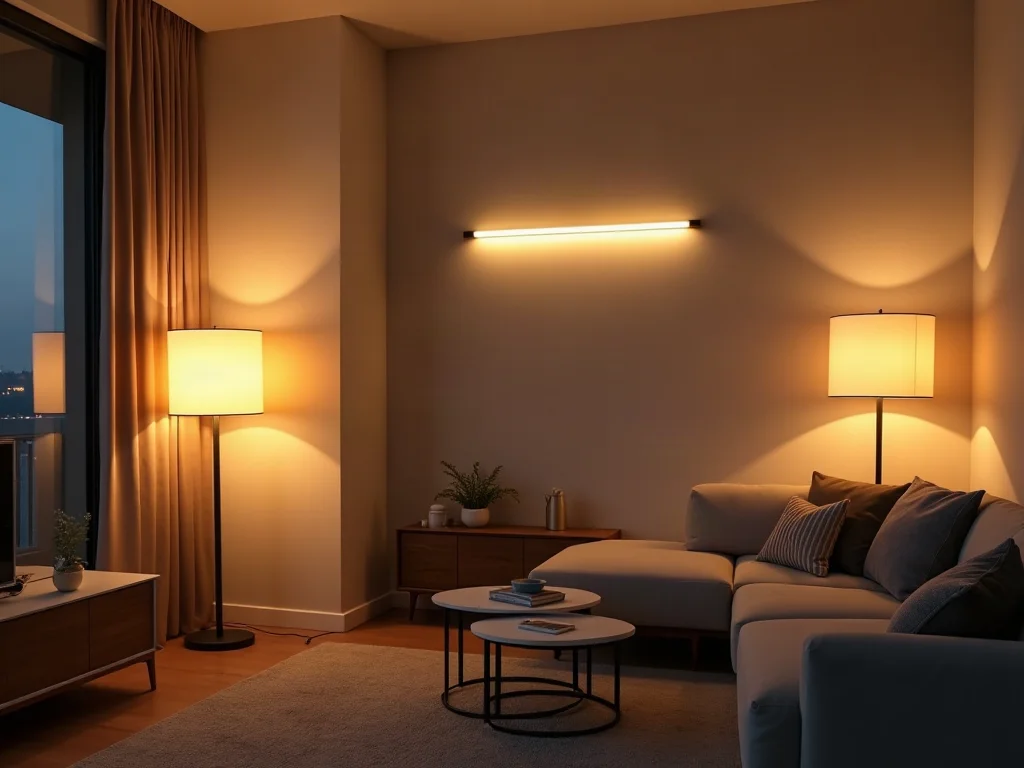
When setting out to automate your home, lighting and plug-in power are almost always the first two categories people consider. Both options offer immediate convenience, but they solve very different problems in daily life.
If you are trying to decide where to spend your initial starter budget, comparing installation effort, control flexibility, and total cost will help you make the right choice.
[!NOTE] Comparison Snapshot:
- Choose Smart Plugs First: If you want to automate floor lamps, small appliances, or holiday lights with zero electrical wiring and minimal cost.
- Choose Smart Light Bulbs First: If you want full color tuning, warm white dimming, and cozy mood scenes in living rooms or bedrooms.
- Choose Smart Wall Switches First: If you want to control ceiling fixtures with multiple light bulbs using existing physical wall switches.
1. Smart Plugs: The Ultimate Zero Friction Starter
Smart plugs are the easiest entry point into home automation. You plug them directly into standard electrical outlets without touching any household wiring or turning off circuit breakers.
Where Smart Plugs Excel
Smart plugs are unmatched for controlling lamps, desk fans, coffee makers, and accent lighting. Because they simply cut or supply power to whatever is plugged into them, they are practically indestructible and easy to move from room to room.
If you move to a new apartment next year, you can unplug your smart plugs and take them with you in seconds.
Where Smart Plugs Fall Short
A smart plug can only turn power completely on or completely off. It cannot dim a light bulb, change color temperature, or alter bulb brightness. Furthermore, if someone flips the physical switch on the lamp itself to off, the smart plug loses its ability to turn the lamp back on.
2. Smart Light Bulbs: Best for Atmosphere and Mood
Smart light bulbs replace standard LED bulbs directly in your lamps and ceiling fixtures. Inside every smart bulb is a tiny wireless receiver and dimmable LED module.
Where Smart Light Bulbs Excel
Smart bulbs give you fine grained control over light brightness and color temperature. You can set living room lights to bright cool white during work hours, then automatically transition to a soft warm amber glow at sunset to help your eyes relax.
If you enjoy creating scheduled light scenes or automated bedtime routines, smart bulbs deliver an incredible boost to daily living comfort.
The Physical Switch Dilemma
The main challenge with smart bulbs is habit. If a family member or guest flips the traditional wall light switch off, electric power to the smart bulb is severed. When power is cut, the smart bulb goes offline and cannot respond to schedules or voice commands until the physical wall switch is turned back on.
3. Smart Wall Switches: Ideal for Ceiling Fixtures
If your main goal is controlling main ceiling lights, chandeliers, or recessed lighting, buying individual smart bulbs for every socket gets expensive very quickly. This is where smart wall switches shine.
Replacing the single wall switch controls all connected ceiling lights at once. Best of all, physical wall switches keep your lights operable for guests while maintaining smart automation features in the background.
Installing a smart wall switch requires turning off power at your main breaker panel and connecting electrical wires, so it involves slightly more effort than plugging in a smart bulb.
4. Recommendation: How to Combine Both
I personally recommend starting with a small hybrid strategy that takes advantage of both categories without overspending:
- Buy 2 Smart Plugs: Use them on heavy use floor lamps or your morning coffee machine to get immediate scheduling benefits.
- Buy 2 or 3 Tunable White Bulbs: Place them in your primary bedside lamps and reading spots where warmth and dimming make a noticeable difference in sleep quality.
This balanced combination keeps your initial investment low while giving you a clear feel for how automations fit into your daily routine.
Frequently Asked Questions
Do smart bulbs use electricity when turned off via app?
Yes, smart bulbs draw a tiny fraction of a watt in standby mode to keep their wireless receiver listening for commands. This standby draw typically costs only a few cents per year per bulb.
Can I put a smart bulb into a lamp connected to a smart plug?
You can, but it is generally unnecessary and creates confusion. Controlling the light through the smart bulb app directly gives you full dimming and power control without needing an extra smart plug on the wall outlet.
Explore Real Automation Blueprints
Ready to see how smart plugs and lighting work together in real daily routines?
Explore our full Smart Lighting & Controls Pillar Guide or browse our curated Automation Recipes library to explore step-by-step blueprints complete with flowcharts and compatible hardware recommendations.
Recommended Hardware for This Setup
Top-rated, verified smart home devices matching the recommendations in this guide.

NINFULL Smart Light Bulbs RGB E27 GU10 Led Bulb 100-240V Smart Home Wifi Bluetoo...

1-6PCS SONOFF TRVZB Zigbee Thermostatic Radiator Valve Smart Home eWeLink App Re...
